Unexpected Business Strategies Helped Robovac Hoover Succeed
The Rise of the Robovac Hoover: A Smart Cleaning Companion for the Modern Home
In today's fast-paced world, benefit and efficiency are extremely valued. This desire for structured living has fueled the popularity of smart home devices, and among them, the robotic vacuum cleaner, typically referred to as a “robovac hoover,” sticks out as an especially valuable household appliance. These automated cleaning buddies are no longer a futuristic fantasy however a practical reality, changing the method individuals approach home cleaning.
While “Hoover” is technically a brand, just like “Kleenex” for tissues, it has become an extensively utilized generic term for vacuum, specifically in some regions. So, when we speak about a “robovac hoover,” we're referring to a robotic vacuum cleaner, despite the particular brand. This post will look into the world of robotic vacuum cleaners, exploring what they are, how they work, their benefits, and what to consider when selecting one for your home.
Just what is a Robotic Vacuum Cleaner?
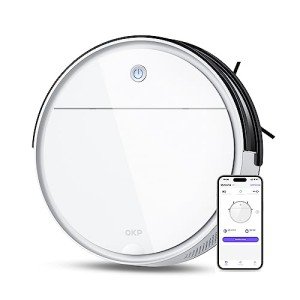
A robotic vacuum cleaner is an autonomous device developed to clean floors without direct human control. These compact, normally disc-shaped devices navigate your home using a combination of sensors, mapping innovation, and algorithms. They are engineered to draw up dust, dirt, pet hair, and debris from different floor surfaces like wood, tile, and carpets.
Robovacs run on rechargeable batteries and normally featured a charging dock. When their battery is low or cleaning is complete (depending on the design and settings), they automatically return to their charging dock. Lots of modern-day robovacs are also Wi-Fi enabled, allowing users to control them remotely through smartphone apps. This connectivity opens up a world of features like scheduling cleaning sessions, setting virtual boundaries, and even monitoring cleaning progress from afar.
Unloading the Technology: How Robovacs Navigate and Clean
The intelligence of a robovac depends on its sophisticated technology that enables it to browse and clean efficiently. Here are some key elements and technologies powering these cleaning robotics:
Navigation Systems: Robovacs employ various navigation methods to map and traverse your home.
- Random Bounce: Simpler and often older designs use a random bounce approach. They move in an approximately straight line until they experience a barrier, then alter direction. While less efficient, they eventually cover most areas.
- Gyro Navigation: These robovacs use gyroscopes to preserve a straight cleaning course and keep in mind where they have actually cleaned. This is more systematic than random bounce.
- Camera-Based SLAM (Simultaneous Localization and Mapping): More innovative models use cams to “see” their environments. SLAM innovation enables them to develop a detailed map of your home in real-time, allowing more effective and systematic navigation.
- LiDAR (Light Detection and Ranging): Similar to self-driving cars, some premium robovacs utilize LiDAR. This innovation emits laser pulses to determine ranges and develop highly precise maps, even in low-light conditions.
Sensors: A variety of sensors are important for robovac operation:
- Bump Sensors: Detect accidents with walls and furniture, prompting the robovac to alter instructions.
- Cliff Sensors: Prevent the robovac from dropping stairs or ledges.
- Wall Follow Sensors: Enable the robovac to tidy edges and baseboards successfully.
- Dirt Detect Sensors: Some robovacs have sensing units that discover areas with greater concentrations of dirt, prompting them to focus cleaning on those areas.
Cleaning Mechanisms: Robovacs use a combination of brushes and suction to clean:
- Side Brushes: Rotate outwards to sweep debris from edges and corners into the course of the primary brush.
- Main Brush Rollers: Typically situated underneath the robovac, these rollers upset carpets and sweep particles towards the suction nozzle. Some designs have actually brush rollers created for particular floor types (e.g., softer brushes for wood, stiffer for carpets).
- Suction: A motor creates suction to pull particles into the dustbin. Suction power differs between designs.
Smart Features and Connectivity: Modern robovacs frequently boast smart features:
- App Control: Enables push-button control, scheduling, zone cleaning, virtual borders, and cleaning history watching.
- Voice Control Integration: Compatibility with voice assistants like Amazon Alexa or Google Assistant for hands-free control.
- Mapping and Zone Cleaning: Allows users to specify specific locations for cleaning or to create “no-go zones” through the app.
- Multi-Floor Mapping: Advanced robovacs can save maps of multiple floors, suitable for multi-story homes.
The Perks of Owning a Robovac Hoover
The appeal of robovac hoovers is undeniable. They use various advantages that add to a cleaner and easier lifestyle:
- Hands-Free Cleaning: The most significant advantage is automation. Robovacs tidy floorings independently, maximizing your time for other tasks or leisure activities.
- Constant Cleaning: Robovacs can be scheduled to tidy regularly, guaranteeing a consistent level of cleanliness in your home, even if you do not have time for daily manual vacuuming.
- Reach Under Furniture: Their low profile enables them to clean under beds, sofas, and other furniture where conventional vacuums battle to reach.
- Ideal for Pet Owners: Robovacs are excellent at getting pet hair, a constant obstacle for numerous households with furry companions. Routine robovac cleaning can significantly minimize pet hair accumulation.
- Benefit for Busy Individuals and Families: For hectic professionals, moms and dads, or anybody who values time, robovacs use a substantial time-saving service for floor cleaning.
- Improved Air Quality (with HEPA Filters): Many robovacs come equipped with HEPA filters, which trap fine dust particles, allergens, and pet dander, adding to enhanced indoor air quality, especially advantageous for allergy sufferers.
Selecting the Right Robovac for Your Needs
With a large selection of robovac designs available, selecting the best one can seem challenging. Consider these aspects when making your choice:
- Home Size and Layout: Larger homes or homes with numerous spaces might benefit from robovacs with advanced mapping and longer battery life. Complex layouts with many challenges may demand models with superior navigation.
- Floor Types: Assess the dominant floor types in your home. Some robovacs are much better suited for hardwood floors, while others stand out on carpets. Try to find designs with features enhanced for your specific floor types.
- Pet Ownership: If you have animals, focus on robovacs with strong suction, tangle-free brush rollers created for pet hair, and larger dustbins.
- Spending plan: Robovacs range in price from affordable to high-end. Determine your budget plan and focus on features that are most crucial to you within that variety.
- Preferred Features: Consider which features are must-haves for you. Do you require app control, voice combination, mapping, zone cleaning, or multi-floor mapping?
- Sound Level: Robovacs vary in sound output. If noise sensitivity is a concern, try to find designs marketed as quieter.
- Dustbin Capacity: Larger dustbins require less frequent emptying, which can be hassle-free, particularly for bigger homes or homes with animals.
Popular Robovac Brands and Models to Consider
The robovac market is competitive, with various brand names providing varied designs. Some well-regarded brand names and models include:
- iRobot Roomba: A pioneer and leading brand name understood for its dependability and range of models, from fundamental to premium.
- Shark ION Robot Vacuum: Known for value and effective cleaning, using a good balance of functions and cost.
- Eufy by Anker RoboVac: Popular for affordability and decent performance, often using great suction power for the rate.
- Neato Robotics Botvac: Distinct D-shaped design, typically praised for corner cleaning and strong suction.
- ECOVACS DEEBOT: Offers a broad variety of models with functions varying from standard cleaning to innovative mapping and mopping capabilities.
Keeping Your Robovac for Longevity
To ensure your robovac hoover continues to perform optimally and lasts for several years to come, regular maintenance is essential:
- Empty the Dustbin Regularly: This is essential. A complete dustbin reduces suction power and cleaning effectiveness. Empty it after each cleaning cycle or as needed.
- Clean the Brushes: Pet hair and debris can tangle in the brushes. Routinely get rid of and clean up the primary brush roller and side brushes.
- Clean the Sensors: Wipe the sensing units, particularly cliff sensors and wall follow sensing units, with a soft, dry fabric to ensure they operate properly.
- Replace Filters: HEPA filters should be changed occasionally according to the maker's suggestions to keep optimum air filtration.
- Inspect and Clean Wheels: Ensure the wheels are devoid of particles and turn efficiently.
- Software Updates: If your robovac has Wi-Fi connection, ensure you set up any available software updates to take advantage of efficiency improvements and new features.
Are Robovac Hoovers Worth the Investment?
Ultimately, the worth of a robovac hoover depends upon private needs and scenarios. Nevertheless, for numerous, the benefits exceed the cost. If you value benefit, time-saving, and consistent tidiness, a robovac can be a rewarding investment that simplifies your life and contributes to a cleaner home.
In Conclusion
Robotic vacuum have actually changed home cleaning, providing a practical and effective way to keep clean floors with minimal effort. As innovation continues to advance, robovacs are ending up being even smarter, more powerful, and more integrated into our smart homes. Whether you choose a fundamental model or a feature-rich premium version, a robovac hoover can be an important addition to your household, supplying more time for the things that truly matter.
Frequently Asked Questions (FAQs) about Robovac Hoovers
Q1: Are robovacs as powerful as routine vacuum?A1: While robovacs have ended up being increasingly powerful, many are not as powerful as full-sized upright vacuums. They are created for day-to-day maintenance cleaning and are exceptional at picking up daily dust, dirt, and pet hair. For deep cleaning or really greatly soiled locations, a standard vacuum may still be required.
Q2: Can robovacs tidy carpets efficiently?A2: Yes, many robovacs are created to tidy carpets. Search for designs with functions like strong suction, brush rollers designed for carpets, and adjustable suction levels. Nevertheless, for thick stack carpets, higher-end designs might be needed for optimal cleaning.
Q3: Do robovacs work well with pet hair?A3: Yes, robovacs are typically really effective at getting pet hair. Search for models specifically marketed as pet-friendly, frequently featuring tangle-free brush rollers and strong suction. Regular robovac cleaning can considerably minimize pet hair accumulation.
Q4: How long do robovac batteries last?A4: Battery life varies depending upon the design and cleaning mode. Most robovacs use battery life varying from 60 to 120 minutes on a single charge. Some high-end models can run for even longer.
Q5: Can robovacs harm furniture?A5: Robovacs are designed to navigate around furnishings using bump sensing units. While they may gently run into furnishings, they are not developed to cause damage. Nevertheless, it's suggested to clear any loose or vulnerable items from the floor before running a robovac.
Q6: How typically should I run my robovac?A6: For optimal cleanliness, running your robovac day-to-day or every other day is advised, especially in homes with pets or high traffic. You can schedule cleaning sessions through the app for automated cleaning.
Q7: Do robovacs work in the dark?A7: Models with LiDAR navigation work successfully in the dark as they use lasers for mapping. Camera-based SLAM designs might perform less efficiently in really dark environments. Random bounce and gyro navigation designs generally work well in a lot of lighting conditions as they depend on physical sensors.
Q8: What happens if my robovac gets stuck?A8: Most contemporary robovacs are developed to prevent getting stuck. Nevertheless, if they do get stuck, they typically stop and provide an error notice (often by means of the app). You'll need to by hand totally free it. Cleaning clutter and wires from the floor can reduce the opportunities of getting stuck.
Q9: Can robovacs climb up over thresholds?A9: Most robovacs can climb over thresholds, but the height they can manage differs. Generally, they can deal with limits approximately 0.5-0.75 inches. Inspect the maker's specs for the limit climbing capability of a particular design.
Q10: Are robovacs noisy?A10: Robovac sound levels vary depending on the design and suction power. Usually, they are quieter than traditional vacuum, but they still produce some sound. Try to find Robot Hoover And Mop advertised as “peaceful operation” if noise is an issue.
Secret Features to Consider When Choosing a Robovac (List)
- Navigation System (Random Bounce, Gyro, Camera-Based SLAM, LiDAR)
- Suction Power (Air Watts or Pascals)
- Battery Life (Runtime per charge)
- Floor Type Compatibility (Hardwood, Carpet, Tile)
- Pet Hair Handling Capabilities (Tangle-free brushes, Strong suction)
- Dustbin Capacity
- Smart Features (App Control, Mapping, Zone Cleaning, Voice Integration)
- Noise Level (dB)
- Price
- Brand Reputation and Customer Reviews